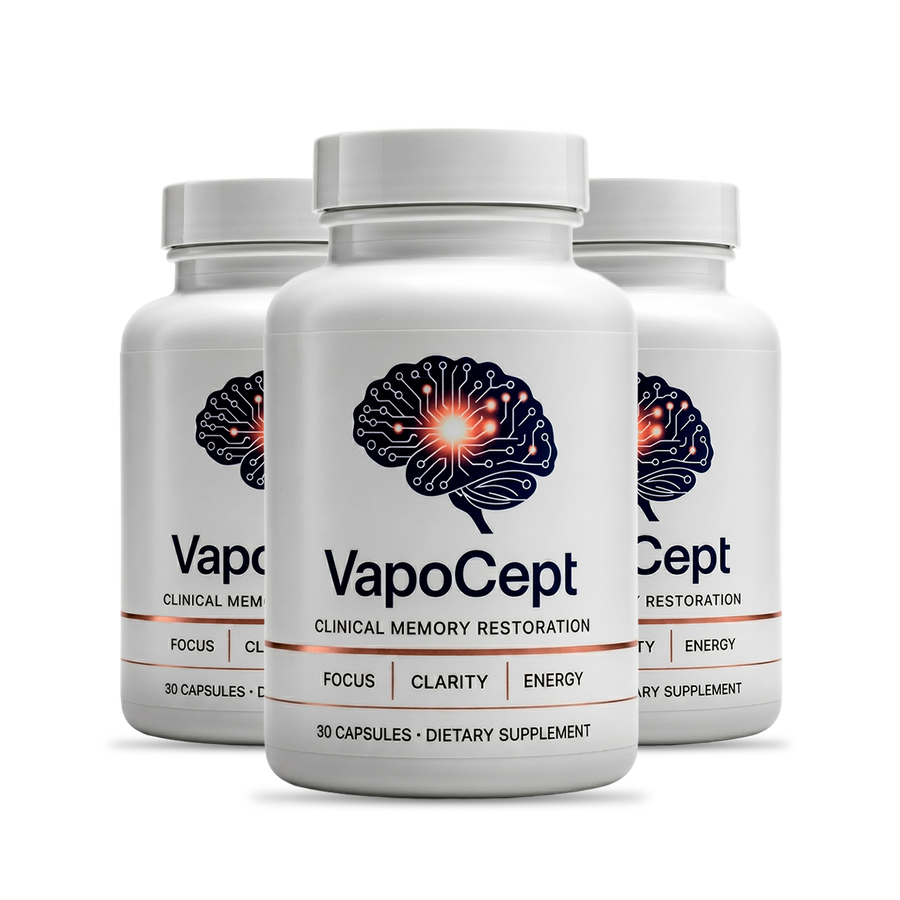
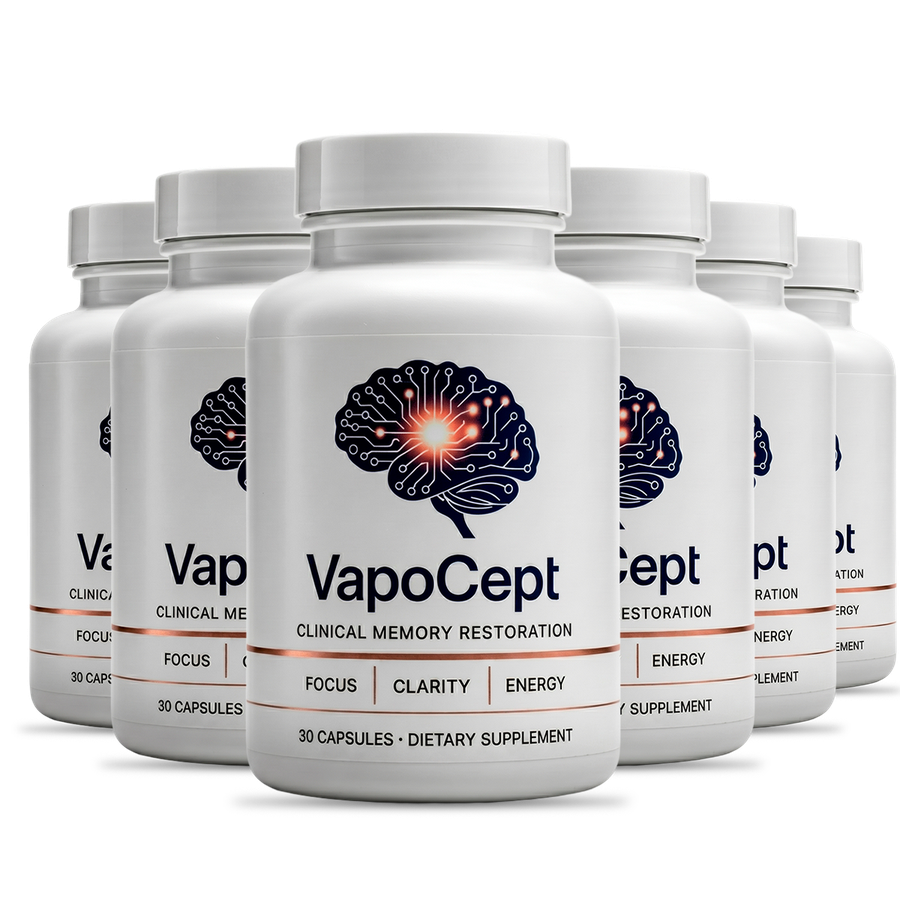
The artwork advertises four outcomes: restored memory, sharper focus, general brain-health support and enhanced daily vitality. Two of those rest on a real mechanism. Two are copywriting.
Memory and recall — a real pathway. Fermentable fibre genuinely does something. Inulin and resistant starch feed gut bacteria that produce short-chain fatty acids, and those metabolites influence inflammation and signalling along the gut-brain axis. The catch is quantity: those effects appear at 5 to 30 grams of fibre a day.
Focus — real, but small. Green tea catechins with caffeine modestly improve attention and reaction time in controlled trials. Modest is the operative word, and it is a long way from the phrase “clinical memory restoration”.
“Enhanced daily vitality” — not a mechanism. Nothing on these lists is an energy compound in a direct sense. If B vitamins are present in meaningful amounts they correct a deficiency you probably do not have.
And the claim that cancels itself. One page credits the whole effect to rebalancing your microbiome; another credits thermogenesis and fibre. Both cannot be describing the same capsule.